
 YingHao Куркынысһыҙлыҡ Аяҡ кейеме

хәүефһеҙлек аяҡ кейемдәре шәхси һаҡланыу сараларының мөһим өлөшө (ПҺС) төрлө тармаҡтарҙа, физик һаҡланыу тәьмин итә, химик, and electrical hazards. To ensure effective protection, safety shoes must meet specific standards and certifications that define their quality, durability, and safety features. These standards vary by region, but they all aim to safeguard workers from common workplace injuries such as punctures, impacts, slips, and electrical shocks.
In Europe, the EN ISO 20345 standard is the most recognized for safety footwear. Shoes complying with this standard are classified according to their protective features, including toe protection, anti-slip soles, water resistance, and resistance to heat or chemicals. Мәҫәлән, a “S3” rated shoe indicates water-resistant uppers, anti-penetration midsoles, and cleated outsoles, suitable for construction and heavy industry environments.
In the United States, safety shoes are regulated by ASTM International, particularly ASTM F2413. This standard defines requirements for impact and compression resistance, metatarsal protection, electrical hazard resistance, and sole puncture protection. Shoes that meet ASTM F2413 standards are widely used in manufacturing, ҡоролош, and logistics industries, ensuring a reliable level of worker safety.
Additionally, other certifications such as CSA (Canada), AS/NZS (Australia/New Zealand), and ISO certifications reflect regional compliance and quality assurance. Manufacturers often combine multiple certifications to meet global market demands, giving buyers confidence that the safety shoes are not only durable but also compliant with international safety regulations. Choosing certified safety shoes is crucial for employers to protect their workforce and reduce workplace accidents.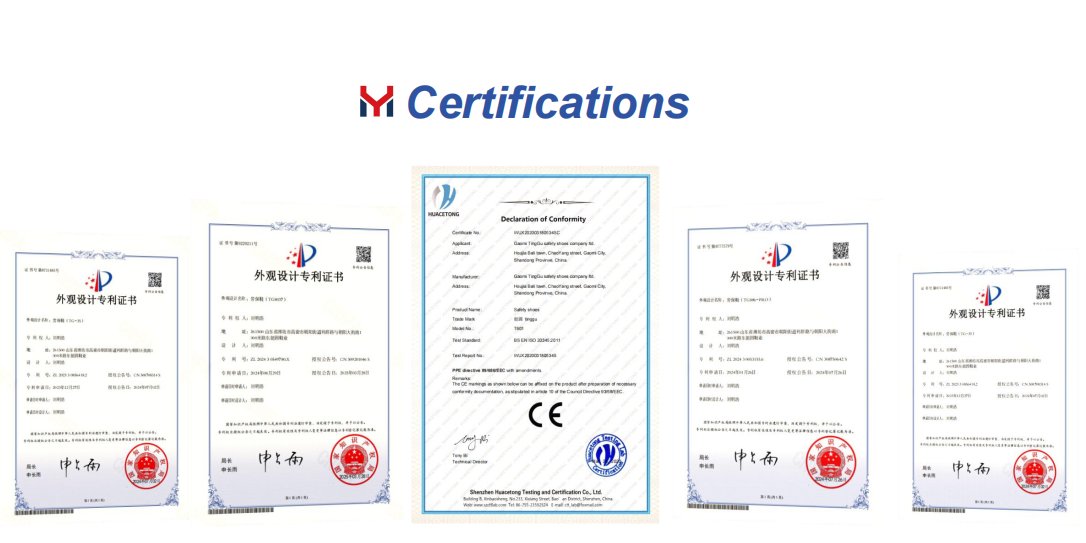

На данном сайте удастся отыскать ценную информацию.
https://pilot-club.ru/info/2026-07-20-turbulentnyy-shok-u-ekaterinburg-areny-desyatki-pozharnykh-mashin-s-krikami-pribilis-k-stsene/
На данном ресурсе есть шанс отыскать интересную информацию.
https://liveforsport.ru/full-text/1707-aksessuary-kak-klyuchevoy-element-obraza-sumki-shlyapy-obuv.html