 YingHao Safety Shoes

The outsole is the outermost layer of safety shoes that directly contacts the ground, bearing the dual responsibilities of protection and traction. Its material and design directly determine the safety, durability and comfort of safety shoes in different workplace environments. As a professional labor protection brand, Yinghao has always focused on optimizing outsole technology, selecting high-quality materials and scientific designs to meet the diverse needs of frontline workers. This article will detail the common outsole materials, types and their core functions of safety shoes, helping you understand how a high-quality outsole safeguards your work.
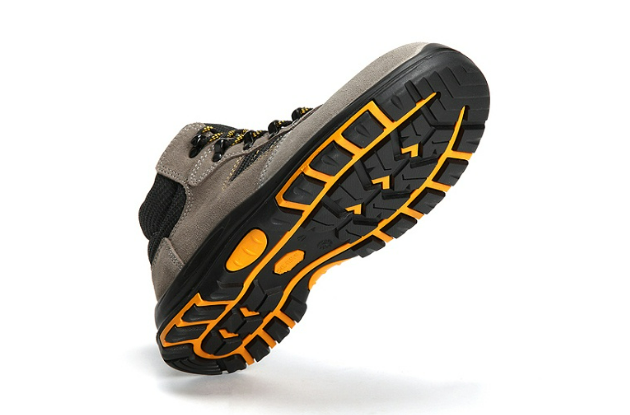
Rubber is the most widely used outsole material in safety shoes, divided into natural rubber and synthetic rubber (such as nitrile rubber, styrene-butadiene rubber). Natural rubber has excellent elasticity, skid resistance and flexibility, making it suitable for general industrial scenarios such as warehousing, logistics and assembly. Synthetic rubber, especially nitrile rubber, has stronger oil resistance, corrosion resistance and wear resistance, which is ideal for harsh environments such as petrochemical, mechanical processing and oil depots. Yinghao’s rubber outsole safety shoes adopt high-density rubber materials, adding anti-slip patterns to enhance traction on wet and oily surfaces, effectively preventing slips and falls.
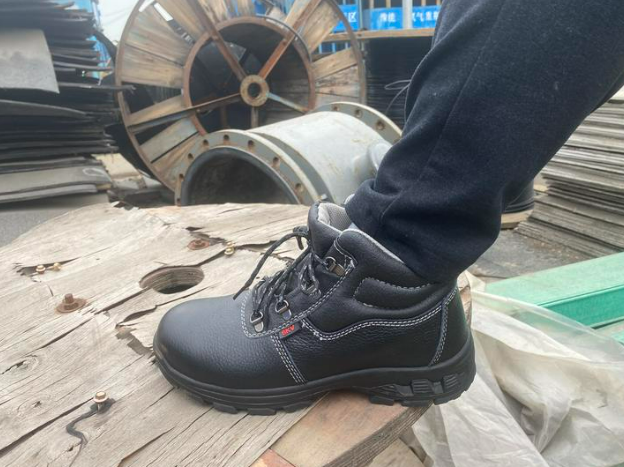
PU (polyurethane) outsole is a high-performance material widely used in mid-to-high-end safety shoes. Compared with rubber outsoles, PU outsoles are lighter, more flexible and have better shock absorption, which can reduce foot fatigue during long-term work. They also have good wear resistance and shape retention, not easy to deform after long-term use, and are suitable for workers who need to walk or stand for a long time, such as construction, field operations and logistics. The only disadvantage of PU outsoles is poor low-temperature resistance, which may become brittle in extremely cold environments. Yinghao optimizes the PU outsole formula, adding anti-brittle agents to improve its low-temperature performance, making it applicable to various climate conditions.
In addition to rubber and PU, there are also composite outsoles and specialized outsoles for specific scenarios. Composite outsoles (usually rubber + PU) combine the advantages of both materials, with the wear resistance of rubber and the lightness of PU, падыходзіць для працы ў розных сцэнарах. Спецыялізаваныя падэшвы ўключаюць антыстатычныя падэшвы (дадаванне правадных матэрыялаў для ліквідацыі статыкі электрычнасць), тэрмаўстойлівыя падэшвы (супрацьстаянне высокім тэмпературам да 300℃) антыпраколыя падэшвы (абсталяваныя стальнымі пласцінамі або слаямі з валокнаў). Yinghao інтэгруе мэтавыя функцыі ў дызайн падэшвы ў адпаведнасці з рознымі небяспекамі на рабочым месцы, забяспечваючы, каб кожная пара ахоўнага абутку магла забяспечыць надзейную абарону. Усе падэшвы Yinghao строга адпавядаюць міжнародным стандартам бяспекі, балансуючы счапленне, даўгавечнасць і камфорт, і ахоўваючы бяспеку працаўнікоў на пераднім краі на кожным кроку.
 электрычнасць), тэрмаўстойлівыя падэшвы (супрацьстаянне высокім тэмпературам да 300℃) антыпраколыя падэшвы (абсталяваныя стальнымі пласцінамі або слаямі з валокнаў). Yinghao інтэгруе мэтавыя функцыі ў дызайн падэшвы ў адпаведнасці з рознымі небяспекамі на рабочым месцы, забяспечваючы, каб кожная пара ахоўнага абутку магла забяспечыць надзейную абарону. Усе падэшвы Yinghao строга адпавядаюць міжнародным стандартам бяспекі, балансуючы счапленне, даўгавечнасць і камфорт, і ахоўваючы бяспеку працаўнікоў на пераднім краі на кожным кроку.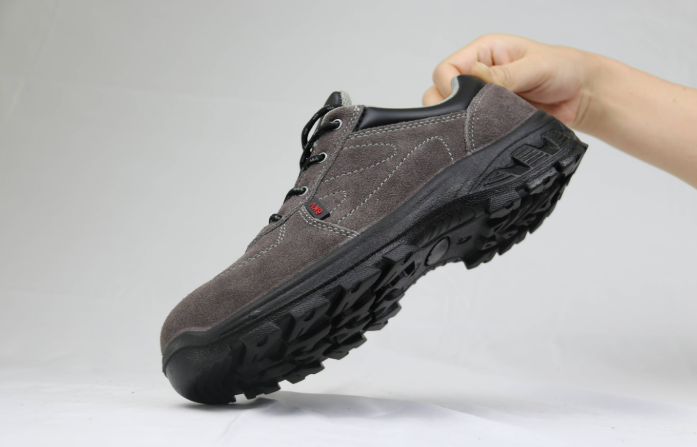


WeChat
Scan the QR Code with wechat