 Chaussures de sécurité YingHao

La semelle extérieure est la couche la plus externe des chaussures de sécurité qui entre directement en contact avec le sol, portant la double responsabilité de protection et d'adhérence. Son matériau et son design déterminent directement la sécurité, durabilité et confort des chaussures de sécurité dans différents environnements de travail. En tant que marque professionnelle de protection du travail, Yinghao s'est toujours concentré sur l'optimisation de la technologie de semelle extérieure, en sélectionnant des matériaux de haute qualité et des designs scientifiques pour répondre aux besoins divers des travailleurs de première ligne. Cet article détaillera les matériaux les plus courants des semelles extérieures, leurs types et leurs fonctions principales des chaussures de sécurité, vous aidant à comprendre comment une semelle extérieure de haute qualité protège votre travail.
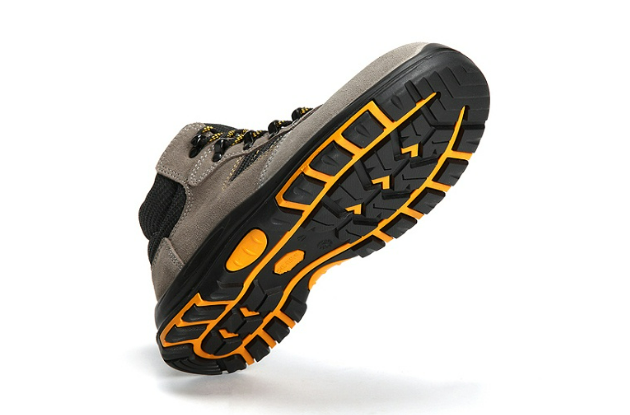
Le caoutchouc est le matériau de semelle extérieure le plus utilisé dans les chaussures de sécurité, divisé en caoutchouc naturel et caoutchouc synthétique (comme le caoutchouc nitrile, le caoutchouc styrène-butadiène). Le caoutchouc naturel possède une excellente élasticité, résistance au glissement et flexibilité, ce qui le rend adapté aux scénarios industriels généraux tels que l'entreposage, la logistique et l'assemblage. Le caoutchouc synthétique, en particulier le caoutchouc nitrile, a une résistance à l'huile plus forte, résistance à la corrosion et résistance à l'usure, ce qui est idéal pour les environnements difficiles tels que la pétrochimie, le traitement mécanique et les dépôts de pétrole. les chaussures de sécurité à semelle en caoutchouc de Yinghao utilisent des matériaux en caoutchouc haute densité, ajoutant des motifs antidérapants pour améliorer la traction sur les surfaces humides et huileuses, prévenant efficacement les glissades et les chutes.
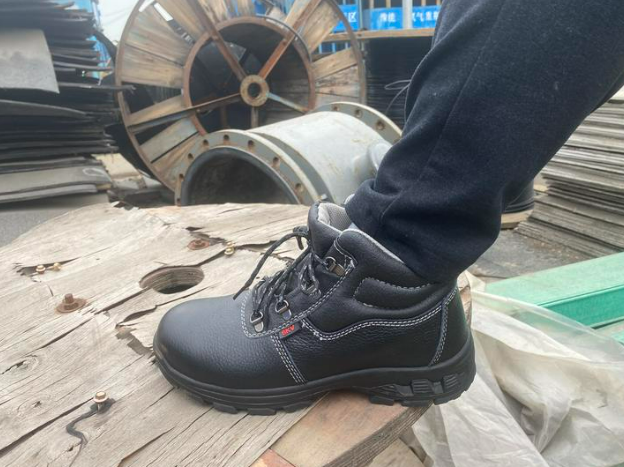
PU (polyuréthane) la semelle est un matériau haute performance largement utilisé dans les chaussures de sécurité de milieu à haut de gamme. par rapport aux semelles en caoutchouc, les semelles PU sont plus légères, plus flexibles et offrent une meilleure absorption des chocs, ce qui peut réduire la fatigue des pieds lors d’un travail de longue durée. elles ont également une bonne résistance à l'usure et conservent leur forme, elles ne se déforment pas facilement après une utilisation prolongée, et conviennent aux travailleurs qui doivent marcher ou rester debout pendant longtemps, comme dans la construction, les opérations sur le terrain et la logistique. The only disadvantage of PU outsoles is poor low-temperature resistance, which may become brittle in extremely cold environments. Yinghao optimizes the PU outsole formula, adding anti-brittle agents to improve its low-temperature performance, making it applicable to various climate conditions.
In addition to rubber and PU, there are also composite outsoles and specialized outsoles for specific scenarios. Composite outsoles (usually rubber + PU) combine the advantages of both materials, with the wear resistance of rubber and the lightness of PU, suitable for multi-scenario work. Specialized outsoles include anti-static outsoles (adding conductive materials to eliminate static electricity), heat-resistant outsoles (resisting high temperatures up to 300℃) and anti-puncture outsoles (equipped with steel plates or fiber layers). Yinghao intègre des fonctions ciblées dans la conception des semelles en fonction des différents dangers sur le lieu de travail, assurant que chaque paire de chaussures de sécurité puisse offrir une protection fiable. Toutes les semelles Yinghao respectent strictement les normes de sécurité internationales, équilibrant traction,, durabilité et confort, et protégeant la sécurité des travailleurs de première ligne à chaque pas.
 electricity), heat-resistant outsoles (resisting high temperatures up to 300℃) and anti-puncture outsoles (equipped with steel plates or fiber layers). Yinghao intègre des fonctions ciblées dans la conception des semelles en fonction des différents dangers sur le lieu de travail, assurant que chaque paire de chaussures de sécurité puisse offrir une protection fiable. Toutes les semelles Yinghao respectent strictement les normes de sécurité internationales, équilibrant traction,, durabilité et confort, et protégeant la sécurité des travailleurs de première ligne à chaque pas.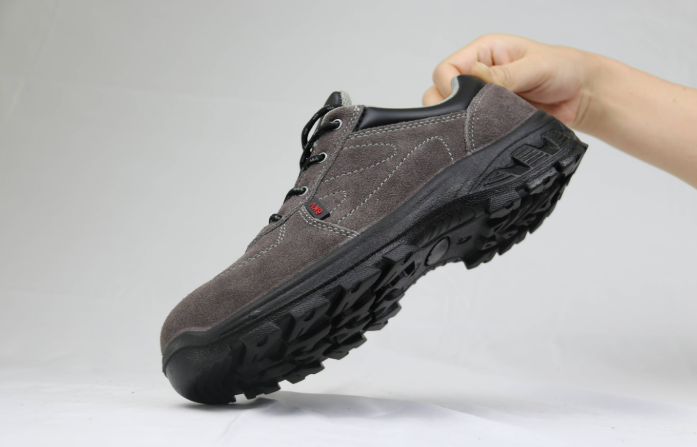

WeChat
Scannez le QR Code avec wechat