 YingHao Scarpe di Sicurezza

La suola è lo strato più esterno delle scarpe di sicurezza che entra in contatto diretto con il terreno, assumendo la duplice responsabilità di protezione e trazione. Il suo materiale e design determinano direttamente la sicurezza, la durata e il comfort delle scarpe di sicurezza in diversi ambienti di lavoro. Come marchio professionale di protezione del lavoro, Yinghao si è sempre concentrata sull'ottimizzazione della tecnologia delle suole, selezionando materiali di alta qualità e design scientifici per soddisfare le diverse esigenze dei lavoratori in prima linea. Questo articolo dettaglierà i materiali comuni delle suole, i tipi e le loro funzioni principali delle scarpe di sicurezza, aiutandoti a comprendere come una suola di alta qualità protegge il tuo lavoro.
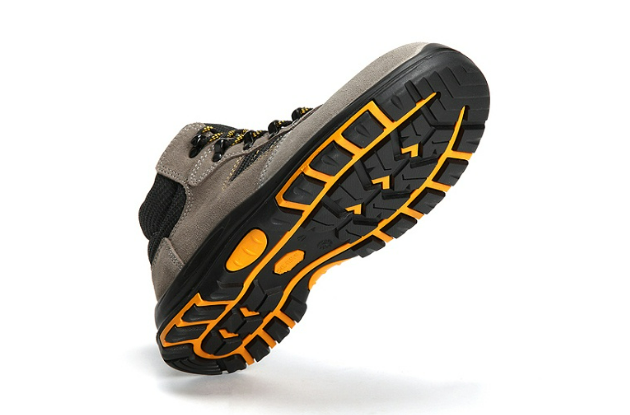
La gomma è il materiale per suole più utilizzato nelle scarpe di sicurezza, divisa in gomma naturale e gomma sintetica (such as nitrile rubber, styrene-butadiene rubber). Natural rubber has excellent elasticity, skid resistance and flexibility, making it suitable for general industrial scenarios such as warehousing, logistics and assembly. Synthetic rubber, especially nitrile rubber, has stronger oil resistance, corrosion resistance and wear resistance, which is ideal for harsh environments such as petrochemical, mechanical processing and oil depots. Yinghao’s rubber outsole safety shoes adopt high-density rubber materials, adding anti-slip patterns to enhance traction on wet and oily surfaces, effectively preventing slips and falls.
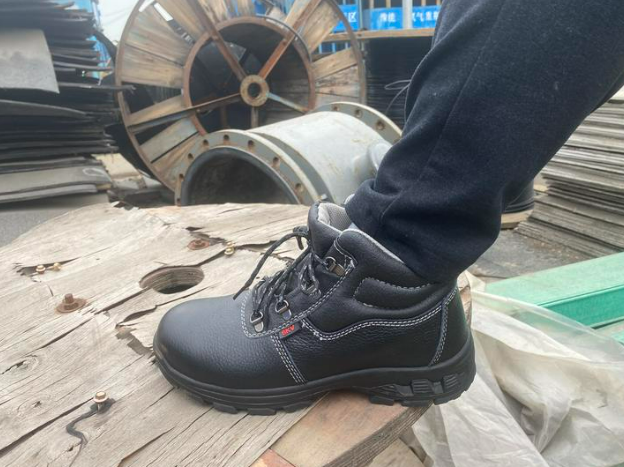
PU (polyurethane) outsole is a high-performance material widely used in mid-to-high-end safety shoes. Compared with rubber outsoles, PU outsoles are lighter, more flexible and have better shock absorption, che può ridurre la fatica ai piedi durante lavori a lungo termine. Hanno anche buona resistenza all'usura e mantenimento della forma, non sono facili da deformare dopo un uso prolungato, e sono adatti a lavoratori che devono camminare o stare in piedi a lungo, come in costruzione, operazioni sul campo e logistica. L'unico svantaggio delle suole in PU è la scarsa resistenza alle basse temperature, che può diventare fragile in ambienti estremamente freddi. Yinghao ottimizza la formula della suola in PU, aggiungendo agenti antifragili per migliorare le sue prestazioni a basse temperature, rendendola applicabile a varie condizioni climatiche.
oltre alla gomma e al PU, esistono anche suole esterne composite e specializzate per scenari specifici. suole composite (solitamente gomma + PU) combinano i vantaggi di entrambi i materiali, con la resistenza all'usura della gomma e la leggerezza della PU, adatto per lavoro in più scenari. Le suole specializzate includono suole antistatiche (aggiungendo materiali conduttivi per eliminare l'elettricità statica elettricità), suole resistenti al calore (resistendo ad alte temperature fino a 300°C) e suole antiperforazione (dotate di piastre di acciaio o strati in fibra). Yinghao integra funzioni mirate nel design delle suole in base ai diversi rischi del luogo di lavoro, assicurando che ogni paio di scarpe di sicurezza possa fornire protezione affidabile. Tutte le suole Yinghao rispettano rigorosamente gli standard di sicurezza internazionali, bilanciando trazione, durabilità e comfort, e proteggendo la sicurezza dei lavoratori in prima linea ad ogni passo.
 elettricità), suole resistenti al calore (resistendo ad alte temperature fino a 300°C) e suole antiperforazione (dotate di piastre di acciaio o strati in fibra). Yinghao integra funzioni mirate nel design delle suole in base ai diversi rischi del luogo di lavoro, assicurando che ogni paio di scarpe di sicurezza possa fornire protezione affidabile. Tutte le suole Yinghao rispettano rigorosamente gli standard di sicurezza internazionali, bilanciando trazione, durabilità e comfort, e proteggendo la sicurezza dei lavoratori in prima linea ad ogni passo.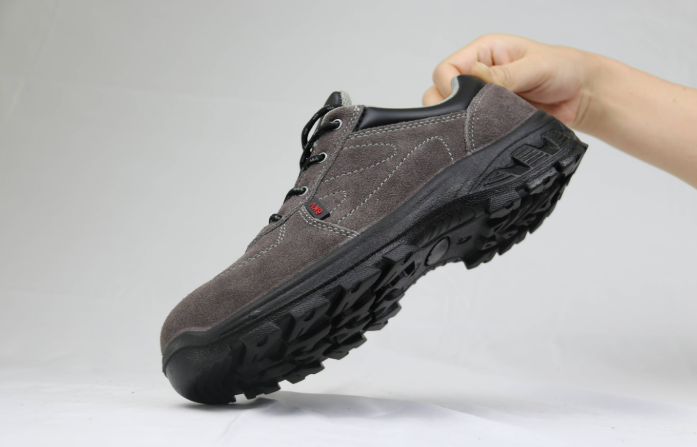


WeChat
Scansiona il codice QR con WeChat