 รองเท้าเซฟตี้ YingHao

รองเท้านิรภัยกันไฟฟ้าสถิตและฉนวนไฟฟ้าสถิตให้การป้องกันไฟฟ้าตรงข้ามสําหรับสถานการณ์อุตสาหกรรม, และไม่สามารถทดแทนกันได้.
Anti-static footwear adopts moderately conductive soles to safely discharge static electricity accumulated on human bodies to the ground. It stops sudden electrostatic sparks that may ignite flammable gas, dust and chemical solvents, and also guards delicate electronic chips from static breakdown. It fits electronics workshops, pharmaceutical factories, oil refineries, chemical plants and paint workshops where static sparks bring explosion or product damage risks.
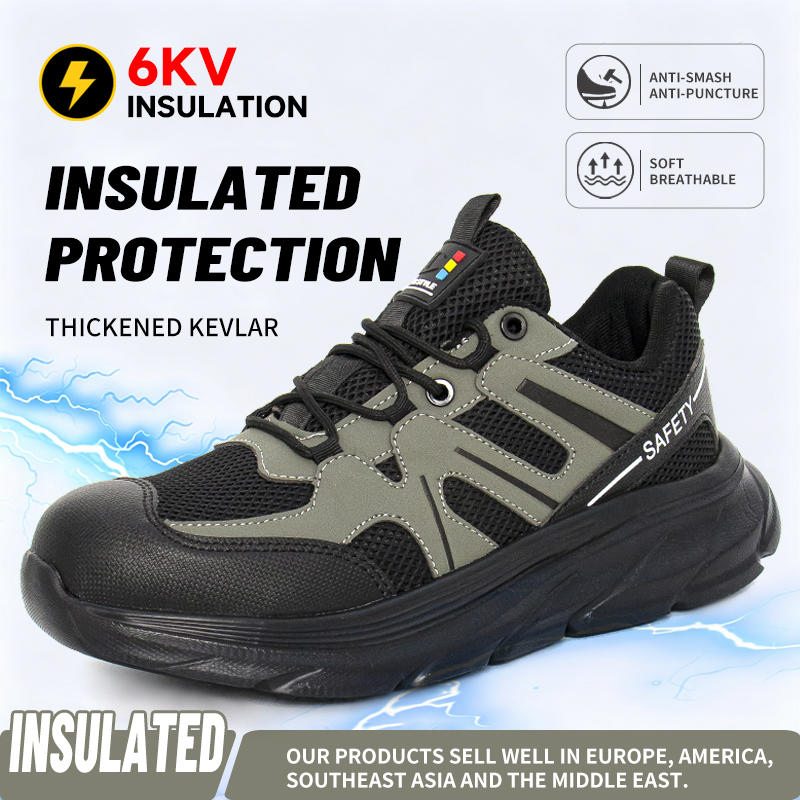
Insulated safety shoes are made of non-conductive dielectric materials with high resistance. They isolate workers from the ground to block electric current flowing through the body, defending workers against electric shock when touching live circuits. Standard styles support 6kV or below low-to-medium voltage operations, ideal for electricians, power maintenance, การติดตั้งระบบไฟฟ้าและการซ่อมวงจรในไซต์ก่อสร้างและสถานีไฟฟ้า.
คำเตือนสำคัญ: รองเท้าป้องกันไฟฟ้าสถิตไม่ได้ให้การป้องกันการช็อต, ในขณะที่รองเท้าฉนวนไม่สามารถระบายประจุไฟฟ้าสถิตได้. โรงงานต้องจัดสรรรองเท้าที่เหมาะสมอย่างเข้มงวดตามอันตรายที่เกิดขึ้นในสถานที่เพื่อความปลอดภัยในการทำงาน.


WeChat
สแกน QR Code ด้วย wechat