 รองเท้าเซฟตี้ YingHao

พื้นรองเท้าชั้นนอกเป็นชั้นนอกสุดของรองเท้านิรภัยที่สัมผัสพื้นโดยตรง, รับผิดชอบสองประการคือการป้องกันและการยึดเกาะถนน. วัสดุและการออกแบบของรองเท้านี้กําหนดความปลอดภัยโดยตรง, ความทนทานและความสบายของรองเท้านิรภัยในสภาพแวดล้อมการทํางานต่างๆ. ในฐานะแบรนด์มืออาชีพด้านการป้องกันแรงงาน, อิงห่าวมุ่งเน้นการเพิ่มประสิทธิภาพเทคโนโลยีพื้นรองเท้าชั้นนอก, การเลือกวัสดุคุณภาพสูงและการออกแบบทางวิทยาศาสตร์เพื่อตอบสนองความต้องการที่หลากหลายของพนักงานแนวหน้า. บทความนี้จะอธิบายวัสดุพื้นรองเท้าชั้นนอกที่พบบ่อย, ประเภทและหน้าที่หลักของรองเท้านิรภัย, ช่วยให้คุณเข้าใจว่าพื้นรองเท้าชั้นนอกคุณภาพสูงช่วยปกป้องงานของคุณอย่างไร.
ยางเป็นวัสดุพื้นรองเท้าชั้นนอกที่ใช้กันอย่างแพร่หลายที่สุดในรองเท้านิรภัย, แบ่งเป็นยางธรรมชาติและยางสังเคราะห์ (เช่น ยางไนไตรล์, ยางสไตรีน-บิวตาไดอีน). Natural rubber has excellent elasticity, skid resistance and flexibility, making it suitable for general industrial scenarios such as warehousing, โลจิสติกส์และการประกอบ. Synthetic rubber, especially nitrile rubber, has stronger oil resistance, corrosion resistance and wear resistance, which is ideal for harsh environments such as petrochemical, mechanical processing and oil depots. Yinghao’s rubber outsole safety shoes adopt high-density rubber materials, adding anti-slip patterns to enhance traction on wet and oily surfaces, effectively preventing slips and falls.
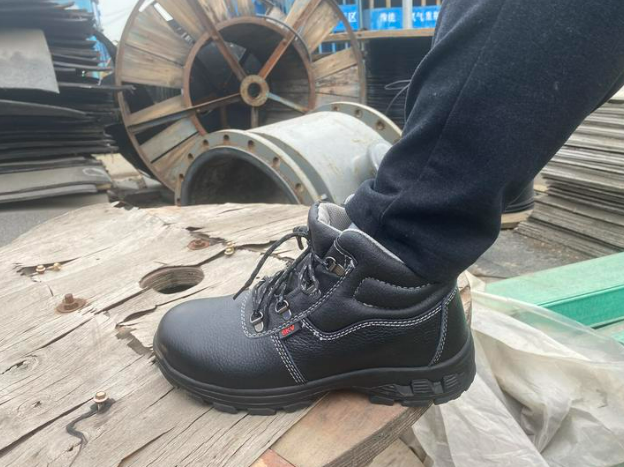
PU (polyurethane) outsole is a high-performance material widely used in mid-to-high-end safety shoes. Compared with rubber outsoles, PU outsoles are lighter, more flexible and have better shock absorption, which can reduce foot fatigue during long-term work. They also have good wear resistance and shape retention, not easy to deform after long-term use, and are suitable for workers who need to walk or stand for a long time, such as construction, field operations and logistics. The only disadvantage of PU outsoles is poor low-temperature resistance, which may become brittle in extremely cold environments. Yinghao optimizes the PU outsole formula, adding anti-brittle agents to improve its low-temperature performance, making it applicable to various climate conditions.
In addition to rubber and PU, there are also composite outsoles and specialized outsoles for specific scenarios. Composite outsoles (usually rubber + PU) combine the advantages of both materials, with the wear resistance of rubber and the lightness of PU, suitable for multi-scenario work. Specialized outsoles include anti-static outsoles (adding conductive materials to eliminate static electricity), heat-resistant outsoles (resisting high temperatures up to 300℃) and anti-puncture outsoles (equipped with steel plates or fiber layers). Yinghao integrates targeted functions into outsole design according to different workplace hazards, ensuring that each pair of safety shoes can provide reliable protection. All Yinghao outsoles strictly comply with international safety standards, balancing traction, durability and comfort, and guarding the safety of frontline workers in every step.

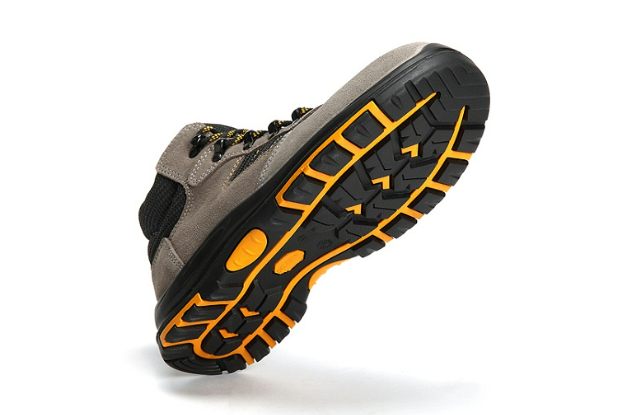 electricity), heat-resistant outsoles (resisting high temperatures up to 300℃) and anti-puncture outsoles (equipped with steel plates or fiber layers). Yinghao integrates targeted functions into outsole design according to different workplace hazards, ensuring that each pair of safety shoes can provide reliable protection. All Yinghao outsoles strictly comply with international safety standards, balancing traction, durability and comfort, and guarding the safety of frontline workers in every step.


WeChat
สแกน QR Code ด้วย wechat